2 min read
Small-Batch Custom Bicycle Buyer Route For Tooling, MOQ, And Platform Risk
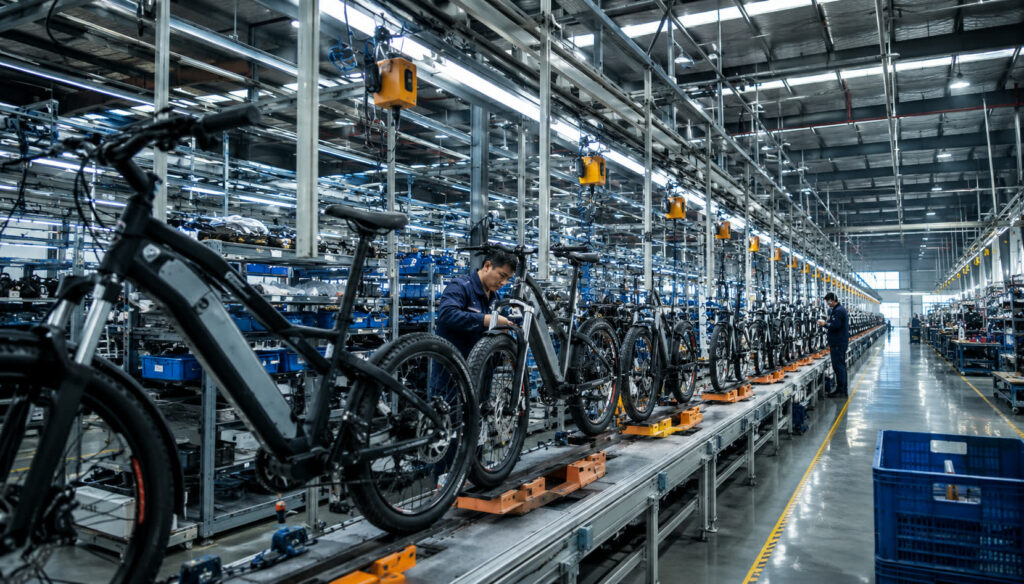
Small-batch custom bicycle production can work, but it has to be designed around the factory’s normal workflow. A low MOQ is not useful if every detail creates tooling, purchasing, painting, packing, or inspection complexity that the supplier cannot control.
Start with a controlled customization model
The most practical route is usually not a fully custom bicycle. It is a standard platform with limited, clear changes: color, decals, saddle, grips, tires, basket, rack, packaging insert, or accessory bundle. This gives a DTC brand a distinct product without turning the first order into an engineering project.
MOQ pressure comes from components
Factories may accept a small assembly order, but components can create hidden minimums. Tires, rims, batteries, motors, controllers, saddles, grips, and custom cartons may each have separate purchasing constraints. Always ask which MOQ belongs to assembly and which MOQ belongs to the parts supply chain.
- Low-risk customization: decals, packaging insert, colorway based on existing paint process, accessory bundle.
- Medium-risk customization: wheelset change, tire change, brake system change, rack or basket addition.
- High-risk customization: frame geometry, fork, battery integration, motor system, custom mold, and structural changes.
Pilot order structure
A clean pilot order has a locked BOM, locked packing method, named inspection points, and a re-order decision rule. Do not let a pilot become a list of endless changes. The point is to prove supplier fit, not to design the perfect second-year product.
Practical next step
Make a two-column sheet before supplier outreach: must-have changes and optional changes. Send the must-have list first. If a supplier can support that cleanly, then discuss optional differentiation.